

When it comes to keeping your home comfortable during Salem’s warm summers and cool winters, choosing the right HVAC system is an important decision. Two of the most popular options for homeowners today are traditional central air conditioning systems and ductless mini-split systems. Both provide reliable heating and cooling, but each comes with its own advantages and disadvantages.
If you’re considering a new HVAC installation in Salem, understanding the differences between these systems can help you choose the best solution for your home’s layout, energy efficiency goals, and budget. At Nelke Mechanical, we help homeowners throughout Salem evaluate their options and select the right heating and cooling system for their needs.
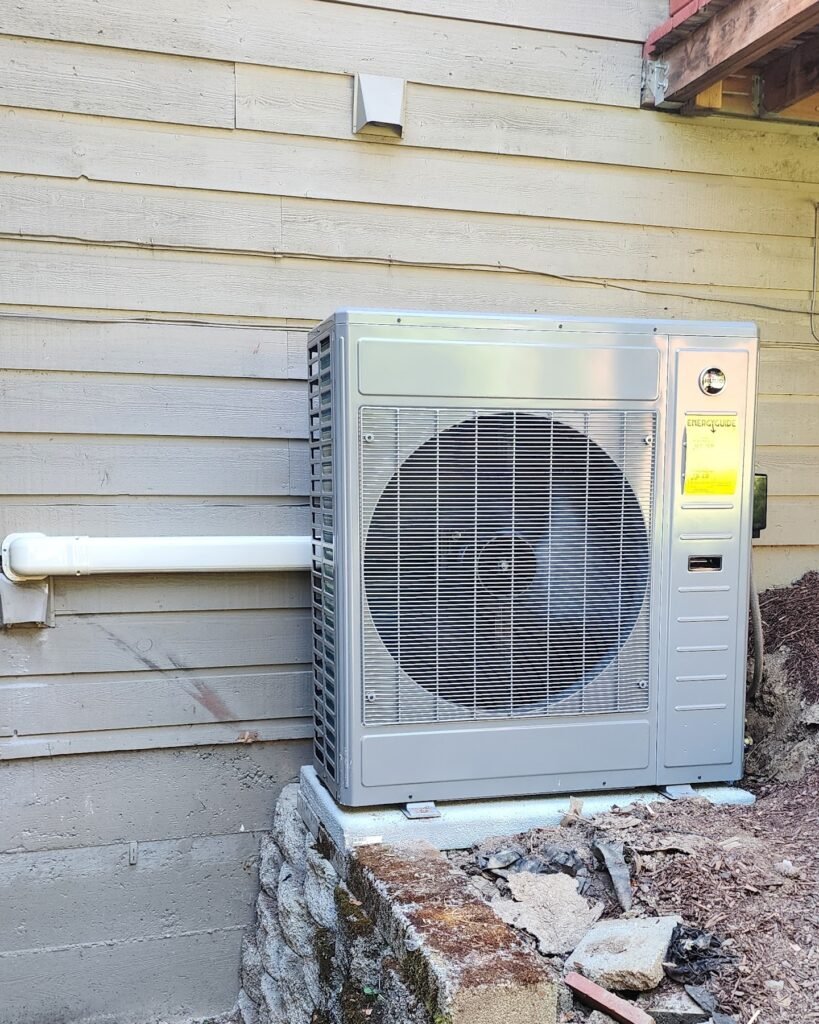
What Is Central Air Conditioning?
Central air conditioning uses a network of ductwork to distribute cooled air throughout the home. The system consists of an outdoor condenser unit and an indoor air handler or furnace that circulates conditioned air through vents.
Many homes in Salem already have existing ductwork, making central AC a popular choice for whole-home cooling.
Pros of Central AC
Consistent Whole-Home Comfort
One of the biggest advantages of central air conditioning in Salem is its ability to cool an entire home evenly. When properly designed and maintained, central AC systems provide consistent temperatures throughout multiple rooms.
Clean Appearance
Because most components are hidden within the attic, crawlspace, or utility areas, central air systems have minimal visual impact inside the home.
Increased Home Value
Many buyers expect homes to have central air conditioning. Installing a modern, energy-efficient HVAC system in Salem may improve your home’s resale appeal.
Compatible with Existing Ductwork
If your home already has ductwork in good condition, central AC installation may be more straightforward and cost-effective than installing a new system from scratch.
Cons of Central AC
Energy Loss Through Ducts
According to industry studies, ductwork can lose a significant amount of conditioned air through leaks and poor insulation. These losses can reduce overall efficiency and increase utility costs.
Less Zoned Control
Central air systems generally cool the entire home at once. While zoning systems are available, they often require additional equipment and installation costs.
Higher Energy Usage in Some Homes
If certain rooms are rarely used, central AC may waste energy cooling areas that don’t require constant temperature control.
What Is a Ductless Mini-Split System?
Ductless mini-split systems use individual indoor air handling units connected to an outdoor condenser. Instead of relying on ductwork, each indoor unit delivers heating and cooling directly to specific rooms or zones.
Ductless HVAC systems in Salem have become increasingly popular due to their energy efficiency and flexibility.
Pros of Ductless Mini-Splits
Excellent Energy Efficiency
One of the biggest reasons homeowners choose ductless mini-split installation in Salem is energy efficiency. Because there is no ductwork, energy losses associated with air leakage are eliminated.
Many modern mini-split systems also use inverter technology that adjusts output based on demand, helping reduce utility costs.
Zoned Temperature Control
Each indoor unit can be controlled independently. This allows homeowners to customize temperatures in different rooms and avoid cooling unused areas.
For families with varying comfort preferences, zoned climate control can be a major advantage.
Easier Installation
Homes without existing ductwork often benefit from simpler installation compared to traditional central HVAC systems.
Ductless systems are especially popular for:
- Home additions
- Finished garages
- Basements
- Older homes
- Detached offices
- Bonus rooms
Heating and Cooling in One System
Many ductless systems function as heat pumps, providing both air conditioning and heating. This makes them an attractive year-round comfort solution for Salem homeowners.
Cons of Ductless Mini-Splits
Higher Upfront Cost Per Zone
While installation may be easier in some homes, costs can increase when multiple indoor units are required to serve larger properties.
Visible Indoor Units
Unlike central air systems, ductless mini-splits require wall-mounted, ceiling-mounted, or floor-mounted indoor units that remain visible within living spaces.
Maintenance for Multiple Units
Each indoor air handler contains filters and components that require regular cleaning and maintenance.
Which System Is Better for Salem Homes?
The best choice depends on your home’s specific needs.
Central AC may be ideal if:
- Your home already has ductwork.
- You want whole-home cooling.
- You prefer hidden equipment.
- You are replacing an existing HVAC system.
A ductless mini-split may be ideal if:
- Your home lacks ductwork.
- You want maximum energy efficiency.
- You prefer zoned comfort.
- You are conditioning a home addition or remodeled space.
Many homeowners also choose hybrid solutions that combine central HVAC systems with ductless units in difficult-to-condition areas.
Importance of Professional HVAC Installation
Regardless of which system you choose, proper installation plays a major role in long-term performance and efficiency. Incorrect system sizing, poor airflow design, or installation mistakes can significantly impact comfort and energy usage.
Professional HVAC contractors in Salem can evaluate:
- Home size
- Insulation levels
- Existing ductwork
- Energy efficiency goals
- Heating and cooling demands
This ensures the system is properly designed for your property.
Contact Nelke Mechanical for HVAC Installation in Salem
If you’re considering central air conditioning or a ductless mini-split system in Salem, the experienced team at Nelke Mechanical can help. We provide professional HVAC installation, AC replacement, heat pump installation, and HVAC maintenance services throughout the Salem area.
Contact Nelke Mechanical today to schedule a consultation and learn which heating and cooling solution is the best fit for your home, comfort goals, and budget.
Frequently Asked Questions About Central AC vs. Ductless Mini-Split
It depends on your home. If your Salem home already has ductwork in good condition, central AC installation is often more straightforward and cost-effective. However, if you’re adding cooling to a space without ducts — like a bonus room, garage conversion, or addition — a single-zone ductless mini-split can be more affordable than extending ductwork. Costs rise with each additional indoor unit, so larger multi-zone projects may end up costing more than a central system. Nelke Mechanical can provide a free estimate for your specific home at 971-365-3353.
Yes. Many Salem homeowners use a hybrid approach — central AC for the main living areas served by existing ductwork, and a ductless mini-split for rooms that are hard to condition, such as additions, basements, or detached offices. This combination maintains whole-home comfort while adding efficient, zoned heating and cooling exactly where it’s needed most.
Ductless mini-splits are generally more energy efficient because they eliminate the air leaks and heat loss common with ductwork, and most models use inverter technology that adjusts output based on demand. That said, a well-sealed, properly insulated duct system paired with a high-efficiency central AC unit can still perform very well in Salem’s climate.
Yes. Most modern ductless mini-splits function as heat pumps, delivering both efficient cooling in summer and heating in winter from a single system. This makes them a popular year-round comfort solution for Salem homeowners, especially in spaces without existing furnace or duct access.