Your heating and cooling system is one of the biggest investments you’ll make in your home. Whether you’re relying on your furnace during Salem’s chilly winters or your air conditioner during warmer summer days, your HVAC system works hard to keep your family comfortable year-round.
Like any major mechanical system, your HVAC equipment needs regular care to perform efficiently and last as long as possible. Neglecting maintenance can lead to higher energy bills, unexpected breakdowns, and a shortened system lifespan.
The good news is that with a few simple maintenance habits and routine professional service, you can maximize the life of your HVAC system while improving your home’s comfort and indoor air quality.
How Long Does an HVAC System Last?
Most residential HVAC systems last between 15 and 20 years, although the lifespan depends on several factors, including:
- Routine maintenance
- Installation quality
- Frequency of use
- Climate conditions
- Air filter maintenance
- System size
- Indoor air quality
Homes that receive regular HVAC maintenance in Salem often enjoy fewer repairs and longer equipment life than systems that are neglected.
Replace Your Air Filter Regularly
One of the simplest and most important ways to protect your HVAC system is by replacing the air filter on schedule.
A dirty air filter restricts airflow, forcing your furnace or air conditioner to work harder than necessary.
This can lead to:
- Increased energy consumption
- Reduced airflow
- Uneven temperatures
- Frozen evaporator coils
- Overheating
- Premature equipment wear
Most homeowners should inspect their air filter monthly and replace it every one to three months, depending on filter type, pets, allergies, and household conditions.
Schedule Professional HVAC Maintenance
Annual professional maintenance is one of the best investments you can make in your heating and cooling system.
During a routine HVAC tune-up in Salem, a qualified technician may:
- Inspect electrical components
- Check refrigerant levels
- Clean condenser coils
- Inspect the blower motor
- Test safety controls
- Lubricate moving parts
- Clean the condensate drain
- Check thermostat calibration
- Measure system performance
- Identify worn components before they fail
Routine maintenance helps catch small issues before they become costly repairs while improving system efficiency.
Keep Your Outdoor Unit Clean
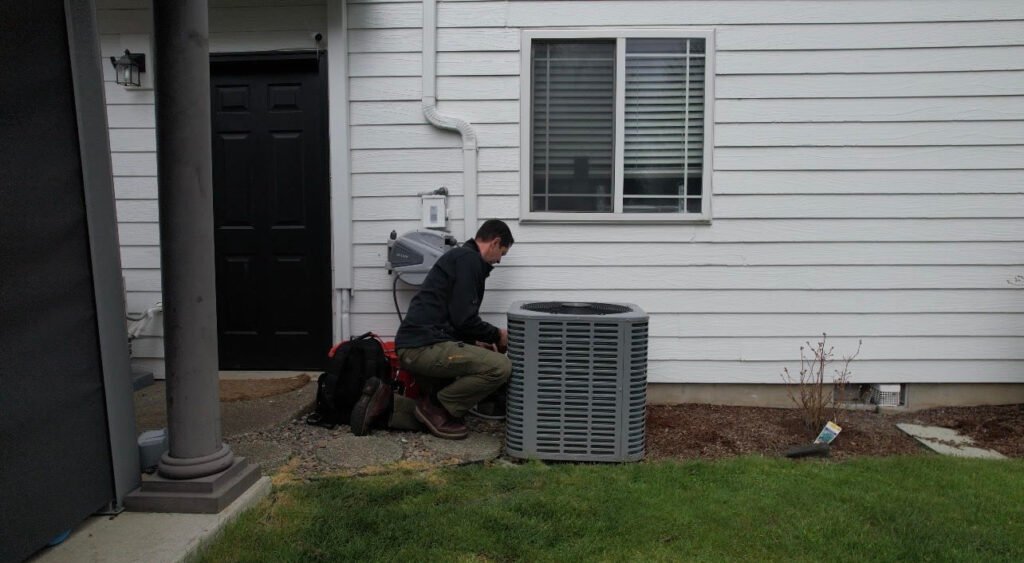
If your home has a central air conditioner or heat pump, the outdoor condenser unit needs adequate airflow to operate efficiently.
Keep the area around the unit free of:
- Leaves
- Grass clippings
- Weeds
- Dirt
- Branches
- Shrubs
Maintaining at least two feet of clearance around the unit allows for proper airflow and reduces unnecessary strain on the system.
Don't Ignore Small Repairs
It’s easy to postpone minor HVAC issues, but small problems often become expensive ones.
Contact a professional HVAC contractor if you notice:
- Strange noises
- Weak airflow
- Uneven temperatures
- Frequent cycling
- Unusual odors
- Rising energy bills
- Water leaks
- Reduced cooling or heating performance
Addressing repairs early can prevent larger system failures and help extend the life of your equipment.
Use a Programmable or Smart Thermostat
Modern thermostats do more than improve convenience—they can also reduce wear on your HVAC system.
A programmable or smart thermostat helps by:
- Reducing unnecessary runtime
- Maintaining consistent temperatures
- Improving energy efficiency
- Lowering utility costs
- Preventing excessive cycling
Many homeowners in Salem find that upgrading to a smart thermostat improves comfort while helping reduce energy usage throughout the year.
Keep Air Vents Open and Unblocked
Closing vents in unused rooms may seem like an effective way to save energy, but it can actually increase pressure within your ductwork and make your HVAC system work harder.
For the best performance:
- Keep supply vents open.
- Avoid blocking vents with furniture.
- Clean dust from registers regularly.
- Make sure return air vents remain unobstructed.
Balanced airflow helps your HVAC system operate more efficiently and evenly throughout your home.
Improve Your Home's Insulation
A well-insulated home reduces the workload placed on your heating and cooling equipment.
Adding insulation and sealing air leaks can help:
- Maintain indoor temperatures
- Reduce heating and cooling costs
- Improve comfort
- Decrease HVAC runtime
- Extend equipment life
Simple improvements such as weatherstripping doors and sealing gaps around windows can make a noticeable difference.
Maintain Healthy Indoor Air Quality
Dust, pet dander, pollen, and other airborne particles can accumulate inside your HVAC system over time.
Improving your home’s indoor air quality in Salem helps protect both your family and your HVAC equipment.
Consider adding:
- Whole-home air purifiers
- Whole-home humidifiers
- UV air purification systems
- High-efficiency air filters
Cleaner air reduces buildup inside the system while supporting healthier indoor living.
Keep Your Ductwork in Good Condition
Leaky or damaged ductwork can reduce HVAC efficiency and force your system to run longer than necessary.
Signs your ductwork may need attention include:
- Uneven temperatures
- Excessive dust
- Weak airflow
- High energy bills
- Rooms that never seem comfortable
Professional duct inspections and sealing can improve airflow while reducing unnecessary strain on your heating and cooling system.
Protect Your HVAC System Year-Round
Each season brings different demands for your HVAC equipment.
Before summer:
- Schedule air conditioning maintenance.
- Clean around the outdoor unit.
- Test your thermostat.
Before winter:
- Schedule furnace maintenance.
- Replace your air filter.
- Check carbon monoxide detectors.
- Test your heating system before cold weather arrives.
Seasonal maintenance helps ensure your equipment is ready when you need it most.
Know When It's Time for a Replacement
Even with excellent maintenance, every HVAC system eventually reaches the end of its service life.
Signs it may be time to consider replacement include:
- Frequent repairs
- Rising utility bills
- Uneven heating or cooling
- System age over 15–20 years
- Difficulty finding replacement parts
- Reduced comfort throughout the home
A trusted HVAC contractor in Salem can evaluate your current system and help you determine whether repairs or replacement offer the best long-term value.
Trust Salem's HVAC Experts to Keep Your System Running Strong
Routine maintenance is the key to getting the most from your heating and cooling system. By replacing air filters, scheduling annual tune-ups, addressing repairs promptly, and improving your home’s efficiency, you can extend your HVAC system’s lifespan while reducing energy costs and improving indoor comfort.
At [Nelke Mechanical Heating & Cooling], we provide professional HVAC maintenance, furnace service, air conditioning tune-ups, and heating and cooling repairs in Salem, Oregon. Our experienced technicians are dedicated to helping homeowners maximize system performance, prevent unexpected breakdowns, and enjoy reliable comfort in every season.
Whether you need seasonal maintenance, HVAC repairs, or expert advice on upgrading your system, we’re here to help.
Contact us today to schedule your HVAC maintenance in Salem and keep your heating and cooling system operating at its best for years to come.
Frequently Asked Questions
Most HVAC manufacturers recommend professional maintenance twice a year—once in the spring for your air conditioner and once in the fall for your heating system.
Most filters should be replaced every one to three months, depending on the type of filter, the number of pets in your home, and your indoor air quality needs.
Yes. Routine maintenance helps reduce wear and tear, improves efficiency, identifies small issues early, and can significantly increase the lifespan of your HVAC system.
Yes. Smart thermostats reduce unnecessary system runtime, improve efficiency, and help minimize wear by maintaining consistent temperatures throughout the day.