
Your HVAC system shouldn’t be completely silent. Furnaces, heat pumps, and air conditioners naturally make some noise as they start, stop, and move air throughout your home. However, when a familiar hum suddenly turns into banging, rattling, squealing, buzzing, clicking, or grinding, it’s worth paying attention.
Unusual HVAC noises can sometimes have a relatively simple explanation, such as a loose panel. In other situations, they can indicate a mechanical, electrical, or airflow problem that should be inspected before additional damage occurs.
For homeowners in Salem, Oregon, recognizing the difference between normal operating sounds and potential warning signs can help you know when it’s time to schedule HVAC repair in Salem, OR.
Are HVAC Noises Normal?
Some sounds are simply part of normal HVAC operation.
You may hear your system start when the thermostat calls for heating or cooling. Air moving through the ductwork can create a low rushing sound, and metal ductwork may occasionally expand or contract as temperatures change.
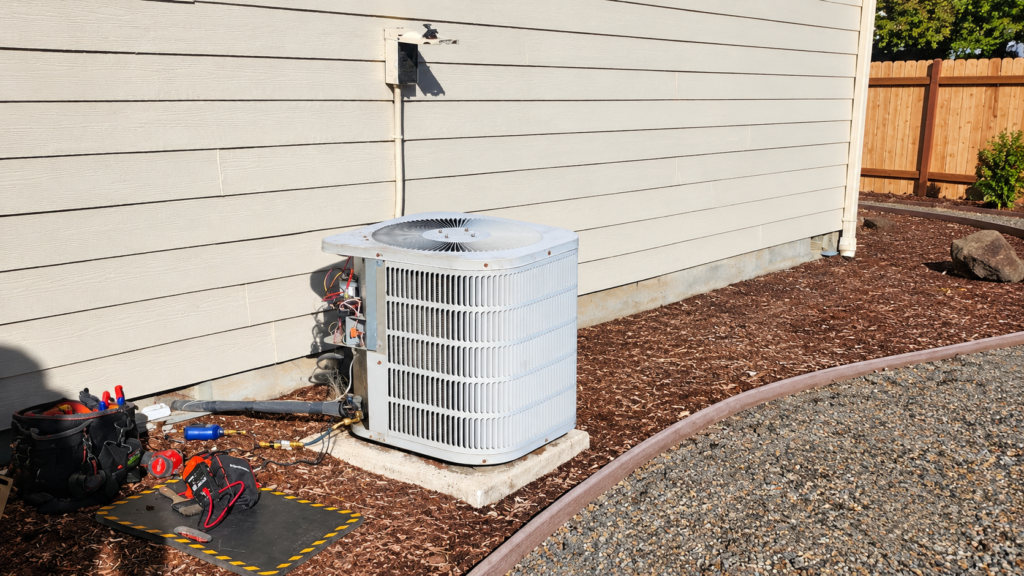
The outdoor unit of a heat pump or air conditioner will also produce noise while operating.
What deserves more attention is a new noise, unusually loud sound, or noise that continues getting worse.
If you’ve lived in your home for several years, you probably have a good idea of what your HVAC system normally sounds like. A sudden change can be one of the earliest indications that something isn’t operating correctly.
Why Is My HVAC System Banging?
A loud banging or clanking sound can be alarming, especially when it begins unexpectedly.
Several HVAC components move while your equipment operates. If something becomes loose, damaged, or misaligned, it may produce banging or clanking noises.
The source could potentially involve the blower assembly, fan components, ductwork, or another mechanical part.
Banging noises can also originate from ducts as sheet metal expands and contracts during temperature changes. That doesn’t necessarily indicate a major equipment failure, but excessively loud or recurring duct noises may be worth investigating.
If you hear persistent banging from your furnace or HVAC system in Salem, it’s better to identify the source than allow a potentially loose component to continue operating.
Why Is My HVAC System Rattling?
Rattling is another common HVAC complaint.
Sometimes the explanation is relatively simple. An access panel may be loose, debris could be near the outdoor unit, or another component may be vibrating while the system operates.
In other cases, rattling can indicate a loose internal component.
The location of the sound can provide useful information.
If rattling is coming from an HVAC vent, the issue may involve ductwork or the register itself. If it’s coming directly from the furnace, air handler, heat pump, or outdoor AC unit, the equipment may need professional inspection.
For homeowners needing HVAC troubleshooting in Salem, Oregon, explaining exactly where and when the sound occurs can help the technician narrow down the potential cause.
What Does a Squealing HVAC System Mean?
A high-pitched squealing or screeching sound isn’t something most homeowners want to hear from their HVAC equipment.
Depending on the type of system, these sounds can potentially be associated with motors, bearings, belts, blower components, or other moving parts.
The exact cause can’t reliably be diagnosed based on sound alone.
If a squealing sound begins suddenly or becomes increasingly loud, consider shutting the system down and contacting an HVAC professional.
Continuing to operate equipment with a failing moving component could potentially lead to additional damage.
An experienced HVAC technician in Salem, OR can inspect the system and determine which component is producing the noise.
Why Is My HVAC System Buzzing?
Electrical equipment naturally produces some operational sound, but loud or unusual buzzing deserves attention.
Buzzing may be associated with electrical components, motors, contactors, transformers, loose components, or other parts of the HVAC system.
An outdoor air conditioner or heat pump can also buzz if something is interfering with normal operation.
Because HVAC equipment uses high-voltage electricity, homeowners shouldn’t remove electrical panels or attempt electrical repairs without appropriate training.
If the buzzing is loud, accompanied by a burning smell, or occurs while the equipment isn’t operating normally, turn the system off and contact a professional.
For HVAC repair in Salem, electrical noises should be properly diagnosed rather than ignored.
Why Does My Furnace Make Clicking Noises?
A few clicks during startup or shutdown may be completely normal.
Your thermostat, relays, ignition system, and other controls can create clicking sounds as the heating system begins operating.
The concern is repeated or continuous clicking.
If your furnace continually attempts to start but doesn’t successfully begin a heating cycle, there may be a problem with the ignition system, controls, thermostat, or another component.
Repeated clicking combined with a lack of heat is a good reason to schedule furnace repair in Salem, Oregon.
Rather than repeatedly resetting the system, have the underlying problem identified.
Grinding Noises Shouldn't Be Ignored
Grinding sounds can indicate that moving mechanical components aren’t operating normally.
Motors and blower assemblies contain parts that need to rotate smoothly. If a component becomes damaged or severely worn, unusual grinding can occur.
This is generally not a sound you should allow to continue for days while hoping it disappears.
Shutting down the system can help reduce the possibility of additional mechanical damage while you arrange for professional inspection.
If your furnace, heat pump, or air conditioner in Salem is making a grinding noise, contact an HVAC technician before continuing normal operation.
Why Do My HVAC Vents Whistle?
Not every strange HVAC noise originates inside the equipment.
Sometimes the sound comes from the airflow itself.
A whistling sound around vents or return grilles may indicate that air is being forced through a restricted area.
One of the first things homeowners can check is the HVAC filter.
A heavily loaded air filter can restrict airflow through the system. If your filter is visibly dirty and due for replacement, installing the correct replacement filter may help.
However, whistling can also involve ductwork, closed or obstructed vents, return-air issues, or other airflow restrictions.
If changing a dirty filter doesn’t solve the problem, an HVAC professional in Salem can investigate the system’s airflow.
Could a Dirty Air Filter Cause Strange HVAC Sounds?
It can contribute to certain airflow-related noises.
As an air filter becomes loaded with dust and debris, airflow resistance can increase. This can sometimes create whistling or other unusual airflow sounds.
Checking your filter is therefore a good first step when your HVAC system suddenly sounds different.
If it’s dirty, replace it with the correct filter recommended for your equipment.
Don’t automatically install the most restrictive filter available. Your system needs to be capable of moving air through the selected filter properly.
If the strange noise continues after replacing a dirty filter, another problem may be responsible.
Why Does My Ductwork Pop or Bang?
Have you ever heard a popping sound shortly after your furnace turns on?
Metal ductwork can expand as heated air begins moving through it and contract as it cools. These changes can sometimes create popping or ticking noises.
Occasional minor sounds may simply be normal thermal expansion.
However, frequent or extremely loud duct noises could indicate issues involving airflow, duct design, pressure, or installation.
This is another situation where a professional inspection can help distinguish between a normal characteristic of the system and a problem that may need correction.
Heat Pumps Can Make Different Sounds
Heat pumps are common in the Pacific Northwest and operate differently from traditional air conditioners paired with gas furnaces.
Because a heat pump can provide both heating and cooling, homeowners may notice different operating sounds throughout the year.
Heat pumps also periodically enter a defrost cycle during cold-weather operation. Some changes in sound during this process can be normal.
However, loud grinding, persistent buzzing, repeated clicking, or significant new noises from a heat pump shouldn’t automatically be assumed to be normal operation.
If you’re unsure, having a Salem heat pump technician inspect the equipment can provide a definitive answer.
Don't Forget About the Outdoor HVAC Unit
When investigating an unusual sound, check whether it’s coming from inside or outside your home.
Outdoor air conditioners and heat pumps contain fans, motors, compressors, electrical components, and other equipment.
Leaves, twigs, or other debris can sometimes collect around the outdoor unit. Components can also become loose or damaged over time.
Keep the area surrounding the outdoor equipment reasonably clear, but don’t reach inside the unit or remove protective panels while the system is energized.
If the outdoor unit is producing loud or unusual mechanical or electrical sounds, contact an HVAC professional.
When Should You Turn Your HVAC System Off?
Not every strange noise requires immediately shutting down the equipment.
A slight rattle from a vent is very different from aggressive grinding inside the furnace.
However, consider turning the HVAC system off if you hear loud grinding, severe banging, unusual electrical buzzing, or another sound suggesting mechanical failure.
You should also shut the system down if unusual noises occur alongside burning odors, smoke, electrical problems, or other concerning symptoms.
If you smell gas, leave the area and follow appropriate emergency procedures rather than attempting to troubleshoot the HVAC system yourself.
When safety may be involved, it’s better to be cautious.
Why Early HVAC Repairs Can Save Money
Ignoring a strange sound can sometimes turn a smaller problem into a more expensive repair.
A loose component may damage nearby parts. A struggling motor can eventually fail. An airflow restriction can place additional stress on equipment.
Catching these issues early gives an HVAC technician an opportunity to diagnose the problem before the system experiences a more significant failure.
That’s especially valuable during periods of extreme temperatures when your household depends heavily on heating or cooling.
Scheduling HVAC maintenance in Salem, Oregon can also provide an opportunity to identify worn or malfunctioning components before they leave you without heating or air conditioning.
Strange HVAC Noises in Salem's Changing Seasons
Salem’s heating and cooling systems experience changing demands throughout the year.
During Oregon’s cooler months, furnaces and heat pumps may operate regularly to maintain comfortable indoor temperatures. When warmer summer weather arrives, air conditioners and heat pumps take on the cooling load.
Systems that haven’t operated heavily for several months may sometimes reveal problems when they’re placed back under regular demand.
That’s why seasonal HVAC maintenance in Salem and Marion County can be valuable before peak heating and cooling seasons.
If your equipment starts making a new noise after returning to regular operation, don’t assume it’s simply “warming up.” Pay attention to whether the sound disappears or continues.
When Should You Call an HVAC Professional?
You don’t need to identify the exact component that’s failing before calling for service.
That’s the technician’s job.
What you can do is pay attention to the details.
Notice whether the sound happens during startup, while the equipment is running, or during shutdown. Determine whether it’s coming from the furnace, air handler, outdoor unit, vents, or ductwork.
You can also note whether the noise occurs alongside other symptoms such as weak airflow, insufficient heating or cooling, unusual odors, or frequent system cycling.
This information can help an HVAC technician diagnose the problem more efficiently.
HVAC Repair in Salem, Oregon
Your heating and cooling system will always make some noise, but new, loud, or persistent HVAC sounds shouldn’t be ignored.
Banging can potentially indicate a loose or moving component. Rattling may involve panels, ductwork, debris, or internal parts. Squealing and grinding can point toward mechanical concerns, while buzzing and repeated clicking may warrant closer inspection of electrical or control components.
The important thing is not to diagnose an HVAC problem based on sound alone.
If your HVAC system is making strange noises in Salem, Oregon, professional inspection can help determine what’s actually happening and whether repair is necessary.
Homeowners throughout South Salem, West Salem, North Salem, East Salem, Keizer, and surrounding Marion County communities can benefit from addressing unusual HVAC noises before they develop into more disruptive heating or cooling problems.
Whether you’re dealing with a noisy furnace, loud heat pump, rattling air conditioner, airflow problem, or another HVAC concern, identifying the cause early can help protect your equipment, maintain indoor comfort, and reduce the likelihood of an unexpected system breakdown.
Frequently Asked Questions
We provide AC and furnace repair, heating and cooling installation, maintenance, and HVAC troubleshooting for homes and businesses in Salem.
Yes, HVAC repair assistance is available for urgent heating and cooling problems, helping Salem homeowners address unexpected system issues.
Annual HVAC maintenance can help identify worn components, airflow problems, and other issues before they cause unexpected heating or cooling problems.
Yes. A professional technician can inspect the system, identify the cause of the problem, and recommend the appropriate repair or replacement solution.